Yahoo Finance Palo Alto Networks Ceo Just Dropped A Truth Bomb On The Network Outages Sweeping Through Major Companies
In recent weeks, a significant statement from a major cybersecurity vendor has sent ripples through the technology industry. The Palo Alto Networks CEOs comm...
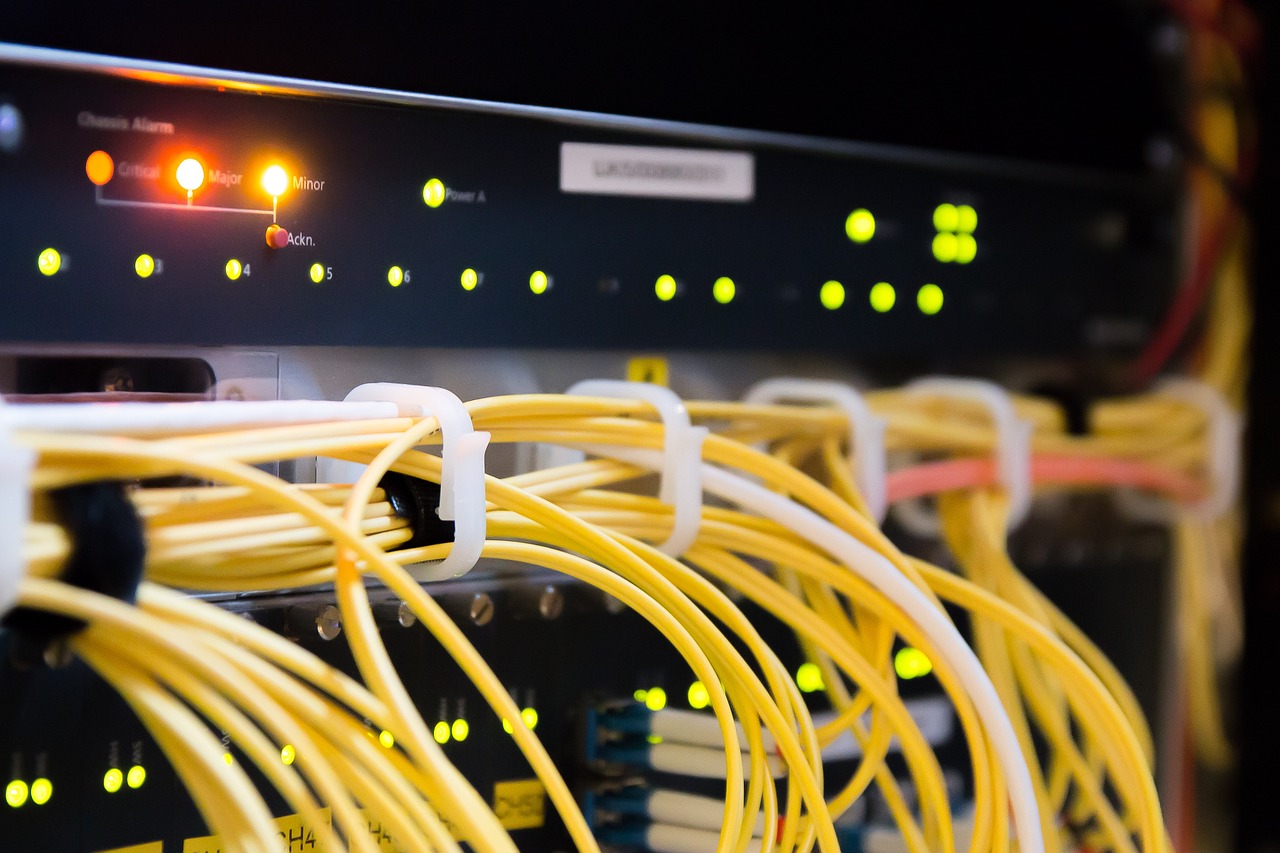
Yahoo Finance Palo Alto Networks Ceo Just Dropped A Truth Bomb On The Network Outages Sweeping Through Major Companies
INTRODUCTION
In recent weeks, a significant statement from a major cybersecurity vendor has sent ripples through the technology industry. The Palo Alto Networks CEO’s comments on network outages sweeping through major companies have sparked intense discussion among DevOps engineers, network administrators, and security professionals. This revelation comes at a time when organizations worldwide are grappling with unprecedented network stability challenges, stemming from a convergence of factors that demand immediate attention and strategic response.
The core of the issue revolves around what the CEO described as “two distinct parallel effects” driving the current environment. The first, and perhaps most visible, is a massive surge in vulnerabilities and patches being deployed across enterprise networks. Industry data suggests we’re seeing critical and severe vulnerabilities discovered at nearly seven times the monthly rate compared to previous periods. This alarming statistic underscores the widening attack surface that modern organizations must defend.
For the DevOps and sysadmin community, this situation presents both a challenge and an opportunity. The network outages affecting major companies aren’t merely random failures—they’re symptomatic of deeper infrastructure issues that require systematic attention. From misconfigured routing tables to overwhelmed patch management systems, the common thread is a need for robust, well-understood network configuration practices that can withstand the pressure of today’s threat landscape.
This comprehensive guide aims to equip experienced sysadmins and DevOps engineers with the knowledge and practical strategies needed to navigate these turbulent waters. We’ll explore the technical underpinnings of network stability, examine how vulnerability management intersects with connectivity, and provide actionable insights for maintaining resilient homelab and production environments. Whether you’re managing a small self-hosted setup or overseeing enterprise-grade infrastructure, the principles outlined here will help you build more robust, reliable networks.
The importance of this topic cannot be overstated. As organizations increasingly depend on continuous network availability for business-critical operations, understanding the relationship between vulnerability patching, configuration management, and network stability becomes paramount. This guide will walk you through the essential concepts, practical configurations, and operational best practices that form the foundation of resilient network infrastructure.
UNDERSTANDING THE TOPIC
What Drives Modern Network Outages
To understand the current landscape of network outages, we must first recognize that they’re rarely the result of single-point failures. Instead, they emerge from complex interactions between various system components, security updates, and configuration changes. The Palo Alto Networks CEO’s “truth bomb” highlights two fundamental effects that, when combined, create perfect storm conditions for network disruption.
The first effect, as mentioned, is the vulnerability surge. In today’s threat environment, new CVEs (Common Vulnerabilities and Exposures) are disclosed at an accelerating pace. Security researchers and vendor teams work tirelessly to identify and report vulnerabilities, but the volume has reached a point where many organizations struggle to keep pace. The second effect, equally critical but less frequently discussed, involves the patch deployment process itself. When critical patches are released, they often require network service restarts, configuration changes, or even kernel updates that can temporarily disrupt connectivity.
The Intersection of Security and Network Stability
What makes the current situation particularly challenging is how these two effects interact. Consider a scenario where a critical vulnerability is discovered in a widely-used networking component, such as a router firmware or load balancer software. The vendor releases an emergency patch. Immediately, DevOps teams must evaluate, test, and deploy this patch across their infrastructure. During this window, networks may experience:
- Service interruptions during patch application
- Temporary routing table changes
- DNS resolution issues
- Load balancer reconfiguration delays
- Firewall rule adjustments
Each of these individual events might last only minutes, but when they occur simultaneously across multiple systems or in rapid succession, the cumulative effect can appear as widespread, sustained network outages.
Historical Context and Evolution
Network outage patterns have evolved significantly over the past decade. In the early 2010s, outages often resulted from hardware failures, ISP issues, or misconfigured equipment. The landscape shifted as virtualization and cloud adoption introduced new failure modes. Today, we’re seeing a convergence of traditional infrastructure challenges with modern software-defined networking complexities.
The rise of DevOps practices, while improving deployment speed and reliability, has also introduced new variables. Continuous integration/continuous deployment (CI/CD) pipelines can inadvertently push configuration changes across large fleets of systems. When combined with emergency security patches, the potential for cascading failures increases dramatically.
Key Features of Modern Network Resilience
Understanding what makes networks resilient in the face of these challenges requires examining several key areas:
Configuration Management: Networks thrive on consistency. When every router, switch, and load balancer follows validated, tested configurations, the risk of unexpected failures decreases significantly. Configuration management tools and practices form the backbone of this consistency.
Patch Testing Methodologies: The speed of patch deployment must be balanced against the risk of introducing new issues. Sophisticated organizations employ canary deployments, staged rollouts, and comprehensive testing frameworks to validate patches before widespread implementation.
Monitoring and Alerting: Early detection of network degradation enables proactive intervention before outages become critical. Modern monitoring systems track not just uptime, but also performance metrics, error rates, and configuration drift.
Network Segmentation: Dividing networks into logical segments contains the impact of individual failures. If one segment experiences issues, others can continue operating, minimizing overall business impact.
Current State and Emerging Trends
The current state of network infrastructure reflects both maturity and vulnerability. On one hand, decades of best practices have produced more stable, well-understood systems. On the other, the accelerating pace of vulnerability disclosure and the increasing complexity of interconnected systems create new challenges regularly.
Several trends are shaping how organizations approach network resilience:
Automated Rollback Strategies: Modern infrastructure increasingly incorporates automated rollback capabilities, allowing teams to quickly revert problematic changes.
Infrastructure as Code (IaC): Treating network configuration as code enables version control, testing, and review processes that improve reliability.
Zero Trust Network Access: Moving away from perimeter-based security toward zero trust models reduces the blast radius of individual vulnerabilities.
Synthetic Monitoring: Generating artificial traffic to test network paths provides visibility into potential issues before they impact real users.
Comparative Analysis: Traditional vs. Modern Approaches
| Aspect | Traditional Approach | Modern Approach |
|---|---|---|
| Patch Management | Manual, periodic updates | Automated, continuous patching |
| Configuration Changes | Change management boards | IaC with pull requests |
| Monitoring | Reactive, threshold-based | Proactive, predictive analytics |
| Network Segmentation | Physical VLANs | Software-defined segmentation |
| Rollback Procedures | Manual restoration | Automated snapshot recovery |
This evolution reflects both the opportunities and challenges of modern network management. The organizations that thrive are those that adapt their practices to the new reality while maintaining focus on fundamental reliability principles.
Real-World Application Scenarios
Consider a mid-sized e-commerce company experiencing increased network latency during peak shopping hours. Initial investigation reveals no obvious hardware issues. Further analysis shows that recent security patches applied to web server load balancers caused brief connection interruptions. These interruptions, though brief individually, accumulated during high-traffic periods, creating the perception of sustained outages.
In another scenario, a financial services firm discovers that a critical vulnerability in their DNS infrastructure requires immediate patching. The patching process necessitates DNS server restarts, which temporarily disrupts external domain resolution. During this window, users cannot access services by name, even though internal IP-based access remains functional.
These scenarios illustrate why understanding the relationship between vulnerability management and network connectivity is essential for any organization serious about infrastructure reliability.
PREREQUISITES
System Requirements
Before implementing any network resilience strategies, organizations must ensure their infrastructure meets minimum requirements. These requirements vary based on specific use cases, but certain fundamentals apply across most scenarios.
Hardware Considerations:
- Network equipment with sufficient processing power to handle both normal operations and security scanning
- Adequate memory resources to maintain routing tables and connection state during patching operations
- Redundant power supplies and network paths for critical infrastructure
- Storage capacity for configuration backups and audit logs
Operating System Requirements:
- Supported versions of Linux distributions (Ubuntu 22.04+, CentOS 8+, Debian 12)
- Windows Server for environments with mixed Microsoft technologies
- Router and switch firmware versions that support current security protocols
- Virtualization platform compatibility if running network functions as VMs
Dependency Requirements:
- Configuration management tools (Ansible, Puppet, Chef, or similar)
- Monitoring and observability stack (Prometheus, Grafana, or alternatives)
- Version control systems (Git) for configuration files
- Network simulation environments for testing changes
Required Software with Specific Versions
For the purposes of this guide, we’ll focus on tools and versions commonly available and well-supported as of 2024:
Ansible 2.15+ for configuration management and automation Prometheus 2.50+ with Grafana 10+ for monitoring Git 2.40+ for version control Docker 25+ container runtime where applicable OpenSSH 9+ for secure remote access BGP daemons (FRR, Bird) for routing protocol support
Network and Security Considerations
Network resilience begins with thoughtful design and continues through ongoing management. Key considerations include:
IP Addressing Strategy:
- IPv4 vs. IPv6 deployment strategy
- CIDR block planning for future growth
- Documentation of all network segments and their purposes
Security Policy Framework:
- Firewall rule sets and their review cycles
- Access control lists (ACLs) for network segments
- VPN configuration and authentication methods
- DMZ design and perimeter security
Routing and Connectivity:
- Static vs. dynamic routing preferences
- Redundant path configurations
- BGP session management
- DNS resolution strategy
User Permissions and Access Levels
Proper access control is essential for both security and operational efficiency:
Administrative Access:
- Root or sudo privileges on network devices
- Ability to modify routing tables and firewall rules
- Access to change management systems
Operational Access:
- Read-only monitoring permissions
- Service restart capabilities without full administrative access
- Log viewing capabilities
Change Management:
- Approval workflows for configuration changes
- Audit trails of all modifications
- Rollback authorization procedures
Pre-Installation Checklist
Before proceeding with any network infrastructure changes or vulnerability management implementations, complete this checklist:
- Current State Documentation:
- Document existing network topology
- Record current configuration versions
- Note active services and their dependencies
- Capture monitoring baseline metrics
- Backup Procedures:
- Full configuration backups of all network devices
- Database snapshots if applicable
- Off-site storage of critical backups
- Verification that backups are restorable
- Testing Environment Setup:
- Isolated lab environment mirroring production
- Staging environment for patch testing
- Rollback procedures documented and tested
- Stakeholder communication plans
- Stakeholder Alignment:
- Notification of planned maintenance windows
- Business impact assessments
- Communication channels for issue escalation
- Rollback decision criteria
- Resource Validation:
- Available disk space for logs and backups
- CPU and memory headroom for additional monitoring
- Network bandwidth for testing traffic
- Personnel availability for support during changes
INSTALLATION & SETUP
Initial System Preparation
The foundation of network resilience begins with proper system preparation. This section outlines the step-by-step process for readying your infrastructure to support both normal operations and vulnerability management workflows.
Step 1: Base System Installation
Begin with a clean installation of your chosen operating system. For most DevOps and homelab environments, Ubuntu Server 22.04 LTS or Debian 12 provide excellent balance of recent software versions and long-term support.
1
2
3
# Example: Ubuntu Server minimal installation
sudo apt update
sudo apt install -y openssh-server curl wget gnupg2
Step 2: User Account Configuration
Create dedicated accounts for operational tasks, avoiding the use of root for routine operations.
1
2
3
4
5
6
7
8
9
10
11
12
13
# Create a dedicated admin user
sudo adduser devopsadmin
sudo usermod -aG sudo devopsadmin

# Set up SSH key authentication
mkdir -p /home/devopsadmin/.ssh
chown devopsadmin:devopsadmin /home/devopsadmin/.ssh
chmod 700 /home/devopsadmin/.ssh

# Copy public key for passwordless authentication
cat ~/.ssh/id_rsa.pub >> /home/devopsadmin/.ssh/authorized_keys
chown devopsadmin:devopsadmin /home/devopsadmin/.ssh/authorized_keys
chmod 600 /home/devopsadmin/.ssh/authorized_keys
Step 3: Package Updates and Security Hardening
1
2
3
4
5
6
7
8
9
10
11
# Update all packages to latest versions
sudo apt update && sudo apt upgrade -y

# Install essential security tools
sudo apt install -y fail2ban ufw auditd

# Configure basic firewall
sudo ufw default deny incoming
sudo ufw default allow outgoing
sudo ufw allow ssh
sudo ufw enable